Hydrogen is becoming an important clean energy source for industries, transportation, and power generation. The cost of hydrogen gas depends on multiple factors that affect its production and supply chain. The hydrogen gas price per kg depends on several factors, including production method, electricity cost, storage, transportation, and market demand. In India, the 1 kg hydrogen price and 1 kg hydrogen fuel price in India can vary based on these factors. As technology advances and green hydrogen production increases, hydrogen is expected to become more affordable.
Understanding Hydrogen Cost in India
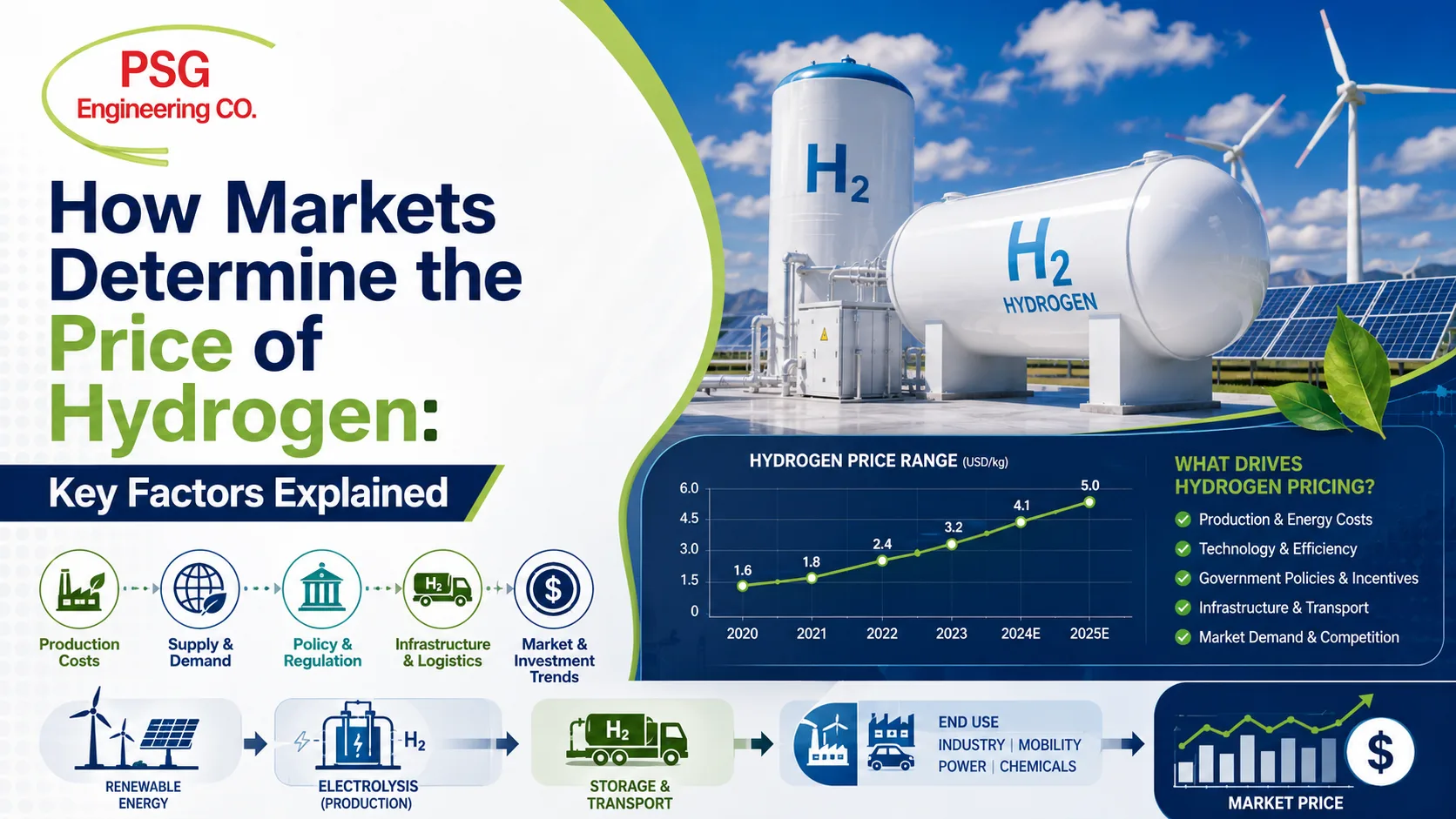
The price of hydrogen is primarily determined by production costs, transportation expenses, market demand, infrastructure availability, and government policies. Unlike conventional fuels, hydrogen can be produced through multiple methods, each with a different cost structure. As a result, the 1 kg hydrogen price can vary significantly depending on the source and location.
Factors That Determine the Price of Hydrogen
1. Hydrogen Production Method
The production process is the most important factor affecting the hydrogen gas price per kg. Hydrogen is commonly produced through:
- Grey Hydrogen – Produced from natural gas through steam methane reforming.
- Blue Hydrogen – Similar to grey hydrogen but with carbon capture technology.
- Green Hydrogen – Produced using renewable energy and water electrolysis.
Green hydrogen is currently more expensive because of higher renewable energy and electrolyser costs, although prices are gradually declining as technology advances.
2. Cost of Electricity
Electricity is one of the largest contributors to hydrogen production costs. For green hydrogen, renewable electricity can account for more than half of the total production cost. Lower solar and wind energy prices directly reduce the 1 kg hydrogen price in India.
3. Electrolyser Technology and Capital Cost
Electrolysers are the core equipment used to produce green hydrogen. The efficiency, capacity, and installation cost of electrolysers significantly influence hydrogen pricing. As manufacturing scales up and technology improves, the cost of hydrogen production is expected to decrease further.
4. Transportation and Storage Costs
Hydrogen requires specialized storage and transportation systems because it is highly flammable and has a low volumetric density. Compression, liquefaction, storage tanks, and transportation infrastructure all contribute to the final 1 kg hydrogen fuel price in India.
5. Supply and Demand Dynamics
Like any commodity, hydrogen prices are influenced by market demand and supply. Regions with higher hydrogen production capacity and stronger supply networks often experience lower prices, while areas with limited availability may face higher costs.
6. Government Policies and Incentives
Government initiatives such as India’s National Green Hydrogen Mission are helping reduce production costs through incentives, subsidies, and infrastructure development. These policies play a crucial role in making hydrogen more affordable and accelerating market growth.
Hydrogen Production Cost Breakdown
| Hydrogen Type | Approximate Price (₹/kg) |
|---|---|
| Grey Hydrogen | 150 – 250 |
| Blue Hydrogen | 250 – 400 |
| Green Hydrogen | 300 – 600 |
| Compressed Hydrogen Fuel | 400 – 800 |
| Factor | Impact on Hydrogen Price |
|---|---|
| Electricity Cost | 35% |
| Production Technology | 25% |
| Storage & Compression | 15% |
| Transportation | 10% |
| Raw Materials | 10% |
| Market Demand & Policies | 5% |
What is the 1 kg Hydrogen Price in India?
The exact 1 kg hydrogen gas price in India depends on the production method and market conditions. Traditional hydrogen production methods generally cost less than green hydrogen, while green hydrogen prices are gradually declining due to advancements in renewable energy and electrolyser technology. Industry reports indicate that green hydrogen production costs in India currently range from approximately ₹279 to ₹560 per kg depending on project scale, location, and technology.
Future Outlook for Hydrogen Prices
The future of hydrogen pricing looks promising. Falling renewable energy costs, improved electrolyser efficiency, large-scale production facilities, and supportive government policies are expected to significantly reduce the hydrogen gas price per kg over the coming years. Experts believe that hydrogen could become one of the most competitive clean fuels for industrial and transportation applications.
PSG Engineering: Supporting the Hydrogen Production
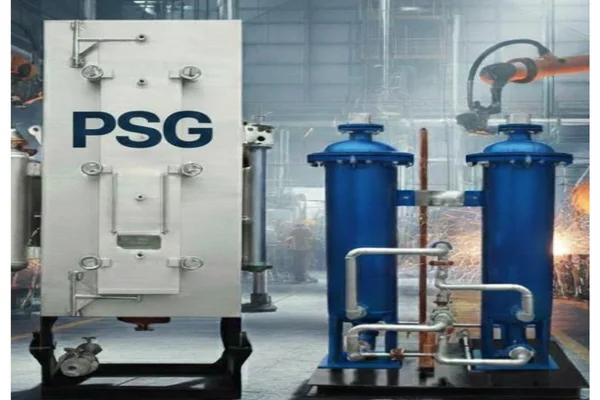
PSG Engineering is a leading Hydrogen Gas Plant Manufacturer in India, providing advanced hydrogen generation systems and industrial gas solutions for various industries. With extensive expertise in hydrogen technology, we help businesses achieve efficient and cost-effective hydrogen production. As the demand for clean energy continues to grow, understanding the factors that influence the 1 kg hydrogen price in India becomes increasingly important. Understanding hydrogen gas pricing requires analyzing various factors, including production methods, energy consumption, storage systems, transportation costs, and supply-demand dynamics.
Conclusion
The price of hydrogen in India varies significantly across regions due to differences in feedstock availability, production sources, transportation costs, and local market dynamics. Regions such as Gujarat and Mumbai generally offer lower hydrogen prices because of the concentration of chlor-alkali plants and access to relatively inexpensive natural gas. In contrast, areas with limited natural gas availability and higher fossil fuel costs tend to have higher hydrogen prices. As green hydrogen production scales up and infrastructure improves, regional price disparities are expected to reduce, making hydrogen a more economically viable fuel for industrial and energy applications across India.