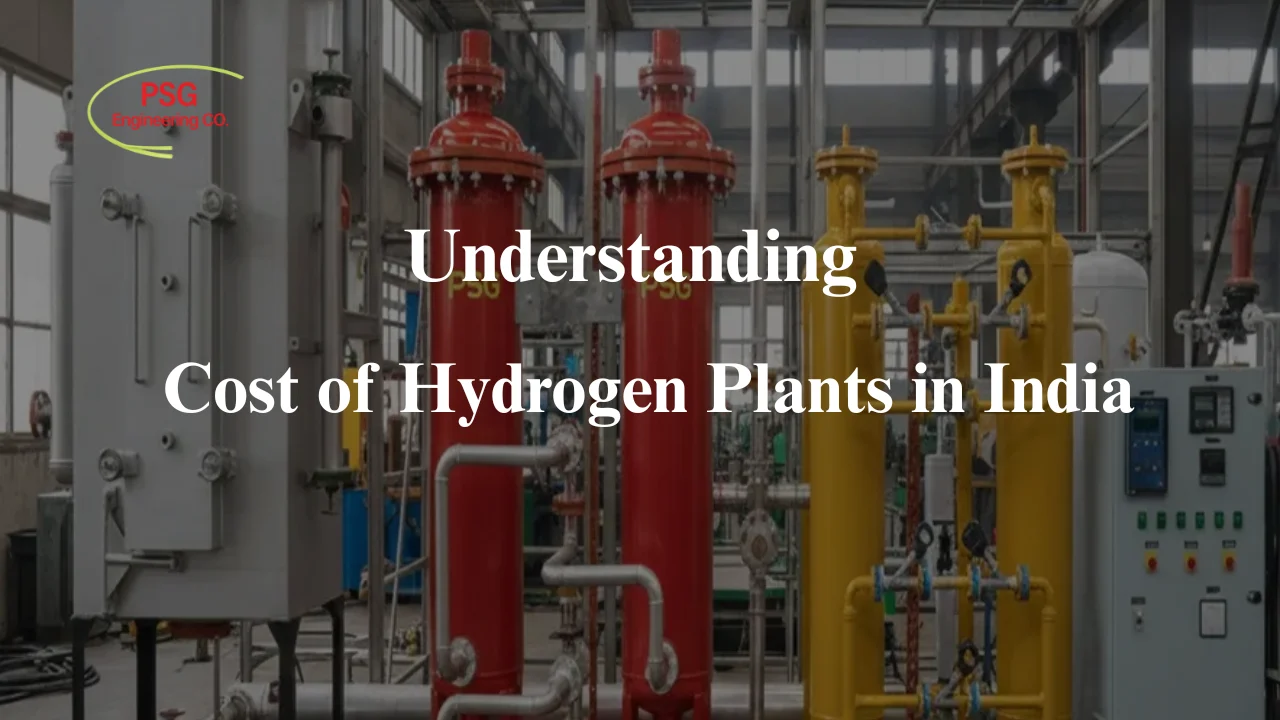
Hydrogen gas plays a major role in India’s industrial development, driven by growing demand from refineries, steel, fertilizer, and chemical industries. These sectors have specific operational requirements where hydrogen is essential for processes like refining, ammonia production, and chemical synthesis. Its use ensures better efficiency, improved product quality, and cleaner industrial operations.
This blog provides a detailed breakdown of hydrogen plant costs and explains why this investment is not only reasonable but also strategically valuable for long-term industrial growth and sustainability.
Growing Demand for Hydrogen in India
Hydrogen is widely used across multiple industries due to its versatility and clean energy potential. Industries such as petroleum refining, ammonia production, glass manufacturing, and electronics rely heavily on hydrogen for various processes. With India’s push toward decarbonization and sustainability, hydrogen demand is expected to rise significantly in the coming years.
The shift toward green hydrogen, produced using renewable energy, is further accelerating investment in hydrogen infrastructure. Although initial costs may seem high, the long-term environmental and economic benefits make hydrogen plants a future-proof investment.
Types of Hydrogen and Their Cost Impact
Before understanding the cost, it is important to know the different types of hydrogen:
- Grey Hydrogen – Produced using fossil fuels; lowest cost but high emissions
- Blue Hydrogen – Uses carbon capture technology; moderate cost
- Green Hydrogen – Produced via electrolysis using renewable energy; highest initial cost but environmentally sustainable
- Turquoise Hydrogen – Emerging technology using methane pyrolysis
Each type significantly affects the overall plant cost, with green hydrogen being the most expensive due to higher technology and energy requirements.
Green Hydrogen Plant Setup Cost in India
Green hydrogen is gaining strong momentum in India as industries and the government focus on clean and sustainable energy solutions. Produced through electrolysis using renewable energy sources like solar and wind, green hydrogen is considered the future of industrial fuel. However, one of the key considerations for businesses is the setup cost of a green hydrogen plant in India.
The cost of setting up a hydrogen plant in India varies widely depending on capacity, technology, and application. Typically, hydrogen plants in India range from approximately ₹1.5 crore to ₹12 crore for capacities between 2 Nm³/hr and 500 Nm³/hr
A more detailed breakdown shows:
- Small-scale plants (5–10 Nm³/hr): ₹30–50 lakhs
- Medium-scale plants (50–100 Nm³/hr): ₹80 lakhs–₹1.5 crore
- Large-scale electrolysis plants: ₹2–4 crore+
- Industrial SMR plants: ₹3–6 crore+
These figures highlight that hydrogen plant investment is capital-intensive, but scalable based on industrial requirements.
Factors Influencing Hydrogen Plant Cost
1. Technology Selection
The type of technology used—such as Steam Methane Reforming (SMR), electrolysis, or PSA (Pressure Swing Adsorption)—plays a major role in cost. Electrolysis systems, especially for green hydrogen, require expensive electrolyzers and renewable energy integration.
2. Plant Capacity
Higher production capacity increases initial investment but reduces cost per unit of hydrogen, making large-scale plants more economical in the long run.
3. Energy Source
Electricity is the largest cost component in green hydrogen production, contributing 50–70% of total production cost.
4. Infrastructure and Utilities
Costs include:
- Water treatment systems
- Cooling units
- Compressors and storage tanks
- Civil construction
These supporting systems are essential for safe and efficient operation.
5. Automation and Safety Systems
Modern hydrogen plants require advanced PLC/SCADA systems, safety controls, and compliance certifications, which add to the overall cost but ensure reliability and safety.
6. Purity Requirements
Industries like electronics and pharmaceuticals require ultra-high purity hydrogen, which increases purification and processing costs.
Operational Cost Considerations of Hydrogen Plant
Apart from initial capital expenditure, operational costs also play a role in evaluating hydrogen plant investment:
- Electricity consumption
- Maintenance and servicing
- Water usage
- Labor and monitoring
Currently, green hydrogen production costs in India range between ₹397–₹560 per kg, higher than grey hydrogen but expected to decrease over time.
Role of PSG Engineering in Hydrogen Plant Solutions
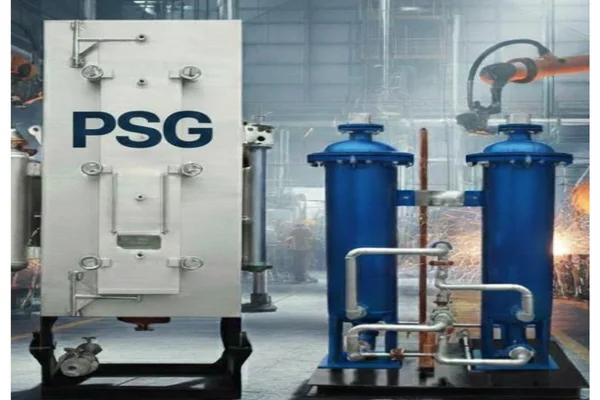
When investing in a hydrogen plant, choosing the right manufacturer is critical. PSG Engineering is a trusted name in industrial gas plant manufacturing, known for delivering efficient, durable, and cost-effective hydrogen plant solutions.
With a strong focus on advanced technology, precision engineering, and customized solutions, PSG Engineering ensures:
- High-performance hydrogen generation systems
- Energy-efficient designs
- Compliance with safety and quality standards
- Reliable after-sales support
Their expertise helps industries optimize both capital and operational costs, making hydrogen plant investments more practical and profitable.
ROI and Future Outlook
Despite the high initial investment, hydrogen plants offer strong returns over time due to:
- Reduced operating costs
- Increased production efficiency
- Growing demand for clean energy
- Export opportunities in green hydrogen
As technology advances and renewable energy costs decline, hydrogen production will become more cost-competitive with conventional fuels.
Conclusion
The cost of setting up a hydrogen plant in India may seem high, because of its long term revenue, a deeper analysis clearly shows that it is a justified and strategic investment. From long-term cost savings and energy independence to environmental benefits and government support, hydrogen plants offer immense value.
With the right technology and a reliable partner PSG Engineering, industries can efficiently manage costs while positioning themselves for the future of clean energy.
Investing in hydrogen today is not just about cost—it’s about securing a sustainable and competitive tomorrow.